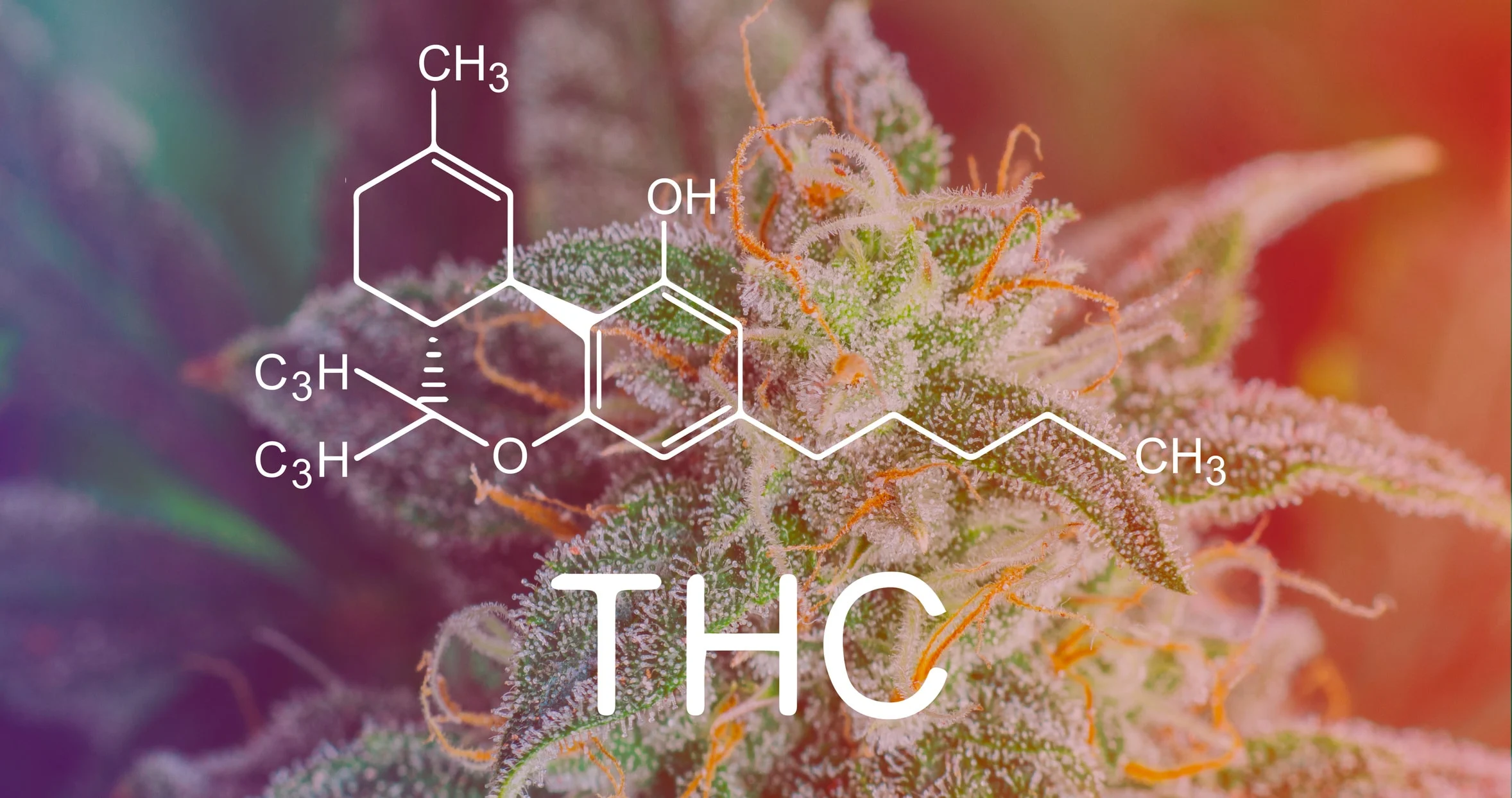
Over its lifetime, the cannabis plant produces more than 100 different chemical compounds. But the presence of just one of these, THC, has sealed the fate of cannabis for a century, making it one of the most persecuted plants on the planet. All this because this compound interacts with the human body in such a way as to produce a complexity of effects, all different from each other.
What is THC and what does it mean?
The full name is Tetrahydrocannabinol. THC is one of 113 chemical compounds found only in the plant genus Cannabis, which scientists call cannabinoids. THC, however, is the most important among all the others because it is the most potent psychoactive.But exactly what is THC, and why does it produce a wide range of pleasant and/or unpleasant effects? How does it interact with the brain? How does it affect the body? Is it safe, or as dangerous as heroin, what does the medicine say?
Decades of unanswered questions, confusion and misinformation have distorted the public’s understanding of cannabis and the psychoactive cannabinoid that made it the most popular illicit drug in the world.
This comprehensive guide to THC aims to clarify everything. In addition to the essential information, we will look at why the cannabinoid is studied, review current research, and share our thoughts on what the future holds for tetrahydrocannabinol.
The fundamentals of Tetrahydrocannabinol
THC is an acronym for the full, cumbersome, nine-syllable name of the chemical compound Tetrahydrocannabinol. Its chemical name is trans-delta 9-tetrahydrocannabinol.
The delta-9 tetrahydrocannabinol is psychoactive therefore stimulates or activates specific psychological responses generally, but not always, associated with euphoria. In short, THC is psychoactive because it affects the mind.
Of course, the mind and body are connected, and therefore the psychoactive effects of cannabis are both psychological and physiological.
There is a close link between tetrahydrocannabinol and the human endocannabinoid system (ECS).The ECS is like a vast system of locks, or chemical receptors, and keys, with which chemicals bind. Some keys only work on a specific lock. Other keys can be inserted into multiple locks. The human body evolved to produce its own keys, or “endogenous cannabinoids,” for those locks.Surprisingly, the cannabinoids that the cannabis plant produces bind to those same receptors. They are nature’s keys that fit the locks of our ECS. This does not mean that humans evolved for cannabis, but rather, humans took advantage of it for enjoyment and health. And we’ve been doing it for millennia.
How does THC work on the brain?
When you consume legal cannabis, introduce its cannabinoids into your body. Once in, they are metabolized and enter the bloodstream. From there they bind to CB1 and CB2 receptors, which are concentrated in the brain and central nervous system.Surprisingly, there are 10 times more CB1 receptors in the brain than μ-opioid receptors. CB2 receptors are attached exclusively to cells of the immune system. For this reason, cannabis is the subject of ongoing scientific research, in addition to its more popular recreational uses.What effect does THC have on the brain? THC is not the only cannabinoid that can bind to CB1 and CB2 receptors. But when it does, the ECS stimulates the release of dopamine in the brain, creating a sense of euphoria and relaxation.CB1 receptors in the brain and nervous system modulate movement, memory, cognition, sensory perceptions, and even time perception. Tetrahydrocannabinol “activates” functions typically regulated by the ECS, such as mood, appetite, cognition, and perception.The sum total of all these changes creates the overall feeling we like to call the “high.” And this explains why the high varies from buzzed to done, from high to too high. There are many factors at play. Changes that make someone feel good might make someone else feel uncomfortable.Then, there are the more mysterious effects of delta-9-THC on the brain. Remember anandamide, our body’s version of THC? Researchers believe that anandamide may have something to do with our brain’s ability to forget.
At first glance, this fact seems to confirm the often expressed concern that the use of cannabis flowers reduces short-term memory capacity. The relationship between cannabinoids and memory remains an active and still-preliminary area of scientific study.
What effects does tetrahydrocannabinol have on our body
THC doesn’t just bind to brain receptors. Their network extends over the entire body. Most of the bodily sensations you experience when consuming cannabis are actually the result of changes in the brain. But i cannabinoid receptors they can also act on ECS receptors throughout the body, creating a variety of beneficial effects.
It is important to note that there are receptors in the immune system, and the interaction of THC with these receptors is an area of ongoing research. In the digestive tract, THC can stimulate the release of ghrelin, the “hunger hormone.” There are also CB2 receptors in our skin. Cannabis-based topical creams are becoming popular, as are oils and skin care products. These topical formats let people enjoy the plant’s compounds without psychotropic effects.
WHY THC IS STUDIED
Because THC has become synonymous with marijuana in our everyday lexicon, the wider scientific interest in the cannabinoid has often been overlooked. While the compound is popular with recreational users, researchers continue to explore how it interacts with the body.
Interaction with the immune system
THC is studied for the way it interacts with receptors located in the immune system. This remains an active area of scientific research, and findings are still preliminary.
Ongoing research
A great deal of contemporary research looks at how cannabinoids interact with the endocannabinoid system. Much of this work is still in early stages, and it is important to underline that cannabis is not a medicine: nothing here should be read as a health claim or as a substitute for professional medical advice.
Mood and relaxation
Many people associate cannabis with a feeling of relaxation. It is worth remembering that responses vary greatly from person to person, and that long-term or heavy use of THC may have drawbacks, particularly for individuals who are more vulnerable to certain psychological conditions.
Rest and relaxation
Euphoria and relaxation are two effects often associated with recreational use of THC. About 1 in 3 people report some form of difficulty sleeping at some point. As with any compound, individual experiences differ widely.
Cannabis relaxes the mind and body. Some strains, traditionally Indica, are associated with stronger sedative effects than others.
A note on research
Interest in tetrahydrocannabinol continues to grow, and as research barriers fall, the body of scientific literature keeps expanding. None of this should be interpreted as medical advice, and cannabis products are not intended to diagnose, treat, cure or prevent any condition.
The recreational use of THC
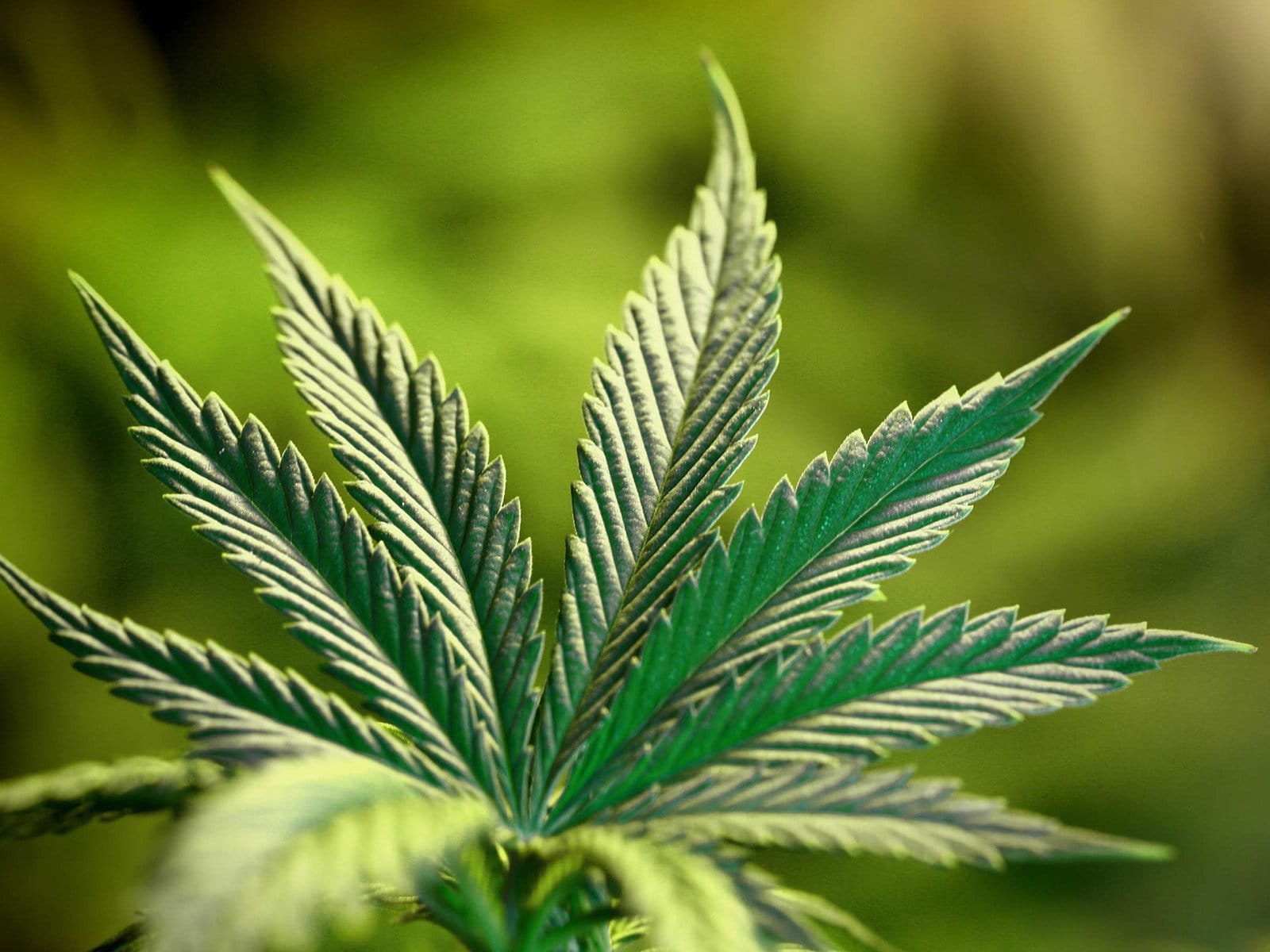
Beyond the scientific interest it attracts, THC’s claim to fame (and infamy) is the euphoric high it produces. The recreational use of marijuana consists in dialing the number in the perfect ratio of effects for each individual. And the recreational market, especially where it’s in the open, continues to develop new and innovative ways to get high.Whether it’s new strains boasting never-before-seen THC concentrations, new devices for obtaining and consuming cannabis concentrates, or new techniques for producing the highest quality edible products, the recreational market is undoubtedly one of the most exciting emerging horizons in the world.cannabis industry all over the world.
The trend dominating the recreational cannabis scene at the moment is THC concentrate.
What is THC concentrate?
There are a few methods for extracting cannabinoids from the herbaceous matter of dried cannabis flowers. Some are safer than others. But the goal for each is the same: to extract the maximum amount of cannabinoids and terpenes from the cannabis plant.Butane, CO2 and alcohol extraction methods have their merits. And each is capable of producing cannabis concentrates with THC concentration levels around 90 percent or higher. Compared to the average 25 to 30 percent THC boasted by the most potent cannabis strains, and you can see why concentrates have become so popular among recreational users.In the final form, the concentrates are rich, flavorful substances with an amber color and a sticky, smooth consistency. They can be consumed pure or mixed with edible waxes, oils and tinctures in the form of drinks and tasty treats.One method of consuming concentrates, however, has catapulted popularity among recreational users: dehydration. Dabbing is the process of heating a metal or glass object, onto which you place a small amount of concentrate, and inhaling the resulting vapors.Concentrate extraction removes all the bitter plant substance from the cannabis. Yet it maintains the presence of the plant terpenes that give cannabis its taste and smell. Thus, the experience of imbibing, or inhaling the vapor of sublimated concentrates, provides incomparably rich flavors compared to smoke-only flowers.
Cannabis flowers with the highest concentration of tetrahydrocannabinol
Dabbing offers recreational users a massive dose of tetrahydrocannabinol, far greater than any herbal cannabis could provide. In other words, rear-ending will make you taller than you ever thought possible, and certainly taller than you could otherwise get.However, for some, inhaling vapors with upwards of 90 percent tetrahydrocannabinol creates too strong of an effect. This can turn the euphoria of a good high into the anxiety of a bad high. In this case, recreational users look for strains with high concentrations of THC. Here are some of the most potent strains that dominate THC.
What happens to THC when it heats up?
Technically speaking, the cannabinoid that appears in cannabis is THCA. The letter “A” indicates its acidic form. It takes heat to convert THCA into the psychoactive delta-9 tetrahydrocannabinol. This is why you need to apply a flame to dried cannabis. Not only to burn the buds and produce smoke to inhale, but also to activate the THC.This activation process is called decarboxylation, or “decarb” for short. Declaring cannabis is an absolutely essential step in the production of edible products. Without it, you’re just eating a lot of raw THCA.
What does the future hold for THC?
While farmers continue to produce flower with record concentrations of tetrahydrocannabinol, the future of THC is undeniably in the realm of concentrates.
Indeed, one of the most important realizations to emerge from dabbing culture has profound implications for the future of cannabis in general. The “entourage effect” refers to the synergistic interactions between tetrahydrocannabinol, terpenes and other cannabinoids. Concentrate production keeps these compounds intact. And that means you’re not just inhaling pure THC vapor, but vapor made up of all those chemicals combined.
One thing we know is that, on its own, the effects of THC are kind of “undirected.” There is no way to determine where, how, or how much it will interact with various parts of the ECS.It seems that terpenes, though, which are basically the essential oils of plants, aren’t just there for smell and taste. They also appear to act as guardrails, allowing users to “steer” THC into different chemical pathways and, therefore, produce different effects.Knowledge of these interactions is still in its infancy. But recreational users, not researchers, are paving the way by experimenting with different terpene profiles and cannabinoid concentrations. And the demand they are causing for concentrates is responsible for many of the recent innovations in extraction and vaporization techniques.