And from the ancient world, and beyond, whispers reach us common mortals about the use of cannabis flowers as a source of a highly durable textile fiber. From its earliest days, textile craftsmanship built solid foundations on raw material obtained from hemp, creating high-quality products. Ancient sources attest to its trade and use, also in Italy, where the maritime powers of the Maritime Republics chose it as a raw material for the ropes and sails used on ships departing from the most important ports toward lands to be conquered.
What many of you may not know is that Christopher Columbus, on the expedition through which he discovered America, brought several sacks of Cannabis sativa seeds with him. The seeds had a very precise purpose. In the event of a shipwreck, if the sailors had found themselves on dry land, they would have needed seeds to cultivate material for their equipment and food for survival. As we all know, Columbus’s voyage encountered no such accident. It seems quite plausible to think that Columbus and his sailors may also have found a more creative use for the seeds they carried with them. Moreover, according to authoritative sources, the sails of the most famous caravels in history, the Nina, the Pinta and the Santa Maria, were made from our beloved hemp.
The world of craftsmanship also offers great satisfaction. It is documented, in fact, that textile fiber derived from hemp flowers was used to make household tablecloths, especially in Emilia-Romagna.
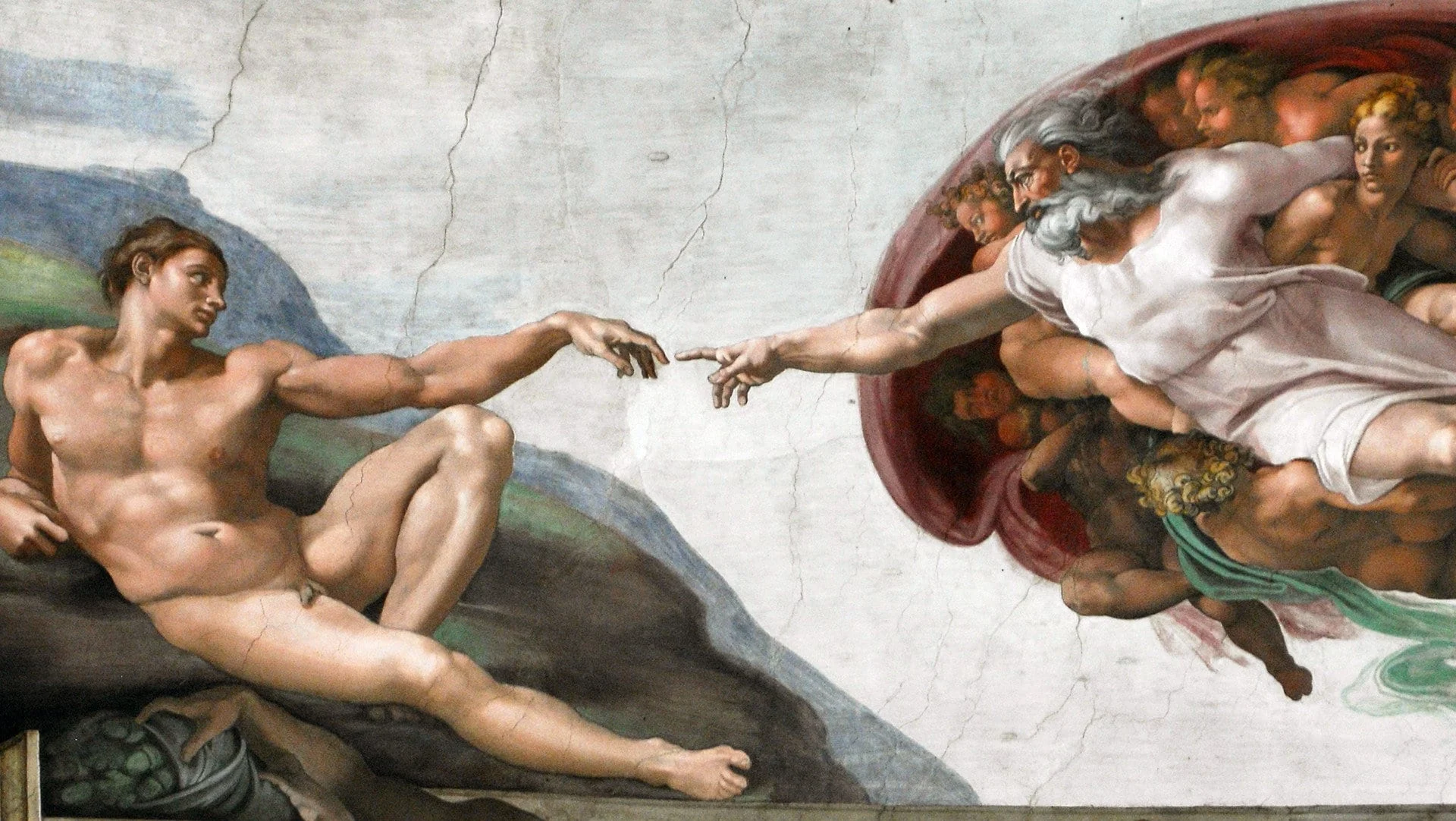
But its use does not stop there. The world of art, too, benefited from hemp, and still does today, to create masterpieces of lasting value. Influential and eccentric painters such as Leonardo Da Vinci, Vincent Van Gogh, Pablo Picasso and Michelangelo used hemp canvases and hemp oil paints.
It is interesting to note that the word “canvas”, the English term now used to indicate any kind of painter’s canvas, probably derives from the Latin term “cannapaceus”, with the literal meaning of “made of hemp”.
The unique characteristic that pushed these artists to use it was its resistance to the wear of time, demonstrated, for example, by the Sistine Chapel, entirely refreshed with these hemp oil colors, or by the most famous paintings now admired in museums around the world. Other qualities that led these celebrated artists to use hemp in their work include the fact that this plant produces a textile fiber resistant to mold, heat and insects, while also remaining undamaged by light sources.
The potential of our artistic “Mary”, described so far, can be observed in specific masterpieces among which it is worth mentioning: “Self-Portrait” by Vincent Van Gogh from 1889 (oil on hemp canvas), “Self-Portrait” by Leonardo Da Vinci, circa 1515, made on hemp and linen paper, “Self-Portrait” by Harmenszoon van Rijn Rembrandt from 1661 (oil on hemp canvas), and finally the painting “The Fish Merchant” by Adrian Van Ostade from 1672 (oil on hemp canvas).
In short, heartfelt thanks certainly go to our flowers, which through their use helped enrich the history of art in all its many forms.
Discover our flower Flower Art, whose name was inspired by this story.